
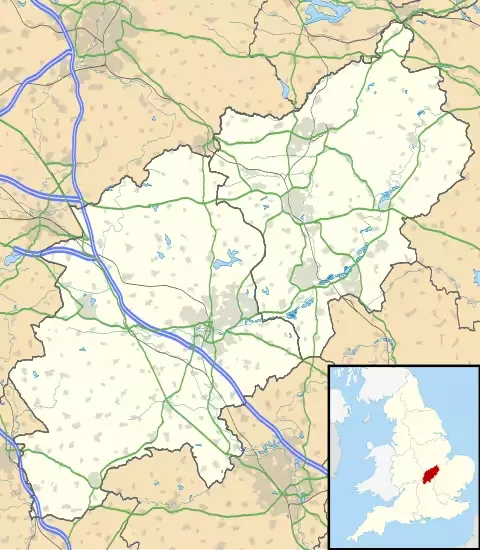
Tucked away in the rolling hills of the East Midlands, Clipston is a place where you can almost feel the weight of its thousand‑year‑old past. From medieval days to its present‑day status as a peaceful escape, this village has been shaped by the ebb and flow of rural life. Clipston’s heritage is evident everywhere — in the centuries-old buildings, historic landmarks, and enduring traditions that tell the story of a community that has been shaped over time. Clipston’s story is one of slow evolution — a gradual unfolding of village life, with traditions and landmarks that have left an indelible mark on the place.
Unpick the threads of Clipston’s past, and you’ll find a rich and fascinating narrative — from its first mention in the Domesday Book to its centuries‑long history of farming and trade, and right up to the present‑day community that still feels so deeply rooted in the land. It’s no wonder that the traditions and landmarks that have helped shape the village over the years continue to infuse its atmosphere with a sense of depth and character — more than just a pretty picture postcard. And if you want to explore more of the East Midlands countryside, nearby outdoor highlights like Brixworth Country Park make perfect day trip additions to your heritage visit.
Early Origins and Domesday Book Mention
Clipston’s roots go back deep into England’s medieval past – long before the countryside looked the way we know it today. The village first appears in the Domesday Book of 1086 – the Great Survey commissioned by William the Conqueror. And it’s listed alongside the estates of Wigod of Wallingford – a strong hint that Clipston was an important part of the early framework of Norman England.
Back then Clipston was just a small cluster of households, all eking out a living from the surrounding fields and pasture. And it was farming that lay at the heart of daily life – the Domesday record even mentions a mill that would have been an important hub of activity. The fact that the village was tied into the local exchange of goods and services also says a lot about the kind of community it must have been.
But what’s interesting is that Clipston didn’t just grow rapidly – instead it developed slowly and steadily, always keeping its deep connection to the land. When churches and manorial estates started springing up during the medieval period, the village’s layout and social structure began to take shape. And those connections to farming and stewardship have been a thread that has carried through right up to today – helping to create that sense of calm and tranquility that still defines Clipston and makes it such a lovely place to get away to.
Medieval and Post-Medieval Development
By the 12th century Clipston was starting to grow in influence and importance. It was a time when the village came under the control of Leicester Abbey – one of the most powerful institutions in the region. And under the abbey’s watchful eye the surrounding land was carefully cultivated and farmed, helping to make Clipston a dependable and prosperous farming community.
And it was also during this period that St Mary’s Church was built – a landmark that would go on to shape village life for centuries to come. With its stunning Gothic architecture and beautiful stained glass windows, the church has remained at the heart of the village ever since – a place of worship and community, but also a place where people came to celebrate life’s big milestones – and deal with the tough times too.
Over the centuries, life in Clipston continued to ebb and flow. During the 14th and 15th centuries the village was a small but tight-knit community, with daily life still closely tied to the land and the changing seasons. But in the 16th century, the English Reformation brought big change – the dissolution of the monasteries and the passing of land into private ownership. This was a turning point in the village’s economic structure.
The 17th century brought more upheaval during the English Civil War – even though Clipston itself didn’t see any action, the wider politics and social change had a knock-on effect on life in the village. Governance and daily life were subtly altered – setting the village on a path towards the next stage of its long and winding history.
Industry, Innovation, and New Connections
The 18th and 19th centuries brought a lot of change to Clipston, as the Industrial Revolution swept through England. Although the village remained a farming community, new technologies and improved transport links transformed how it connected with the wider region.
The construction of the Grand Union Canal was a major factor in this – it created a fast and efficient trading route between London and the Midlands, making it easier to move goods like coal, grain and agricultural produce. And nearby Foxton Locks – a remarkable feat of engineering – were a symbol of the power of innovation. They allowed boats to navigate steep changes in height, boosting commerce and helping economic growth for surrounding villages like Clipston.The arrival of the railway in the mid-19th century really cemented the growth of connections in the area. The opening of the Leicester–Market Harborough line in the 1850s made a huge difference, bringing people from all over to local markets, jobs, and – of course – transport options. As a result, things didn’t change much in Clipston itself – it still retained its countryside vibe – but the new links brought a lot more opportunity and convenience. What’s more, small traders and cottage industries started to pop up alongside farming, gradually adding a new layer of economic diversity to the village without losing its rural roots.
The 20th Century: Change, Adaptation, and a New Chapter
As the 20th century rolled on, Clipston went through the kind of changes that many rural villages went through in England. Over time, mechanization and new farming methods made it less necessary to have loads of agricultural labour, which in turn changed the way people lived and worked in the village. At the same time, the influence of nearby places like Market Harborough and Leicester started to grow, and that brought new links and opportunities, but also subtly changed the way the village fitted into the region.
Mid-century development brought some new housing and a bit of growth, but it was all done in a way that kept the village’s rural identity intact. Clipston managed to keep its old character, its open countryside and its sense of place, which are still the things that really define it today.
In more recent years, Clipston has found a new sense of appeal as a destination for people who want a really peaceful countryside lifestyle. Its calm atmosphere, combined with all the transport links, market towns and regional attractions on its doorstep, makes it a real attraction for people who want space, a bit of balance, and a slower pace of life than city living can offer.
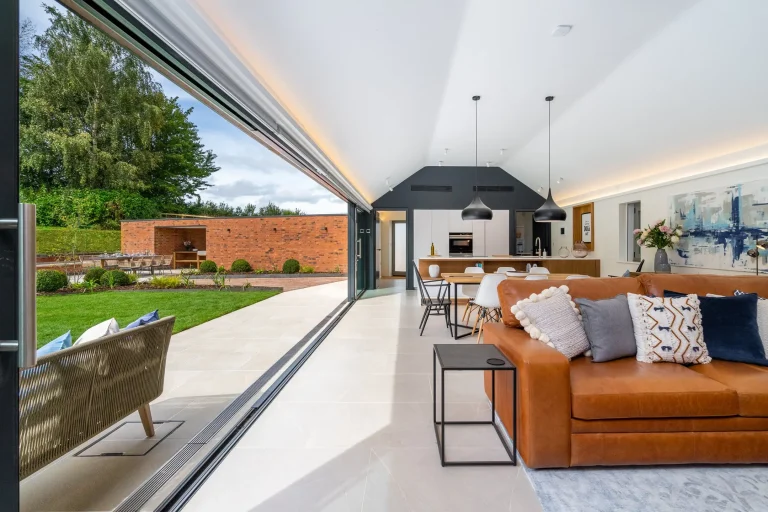
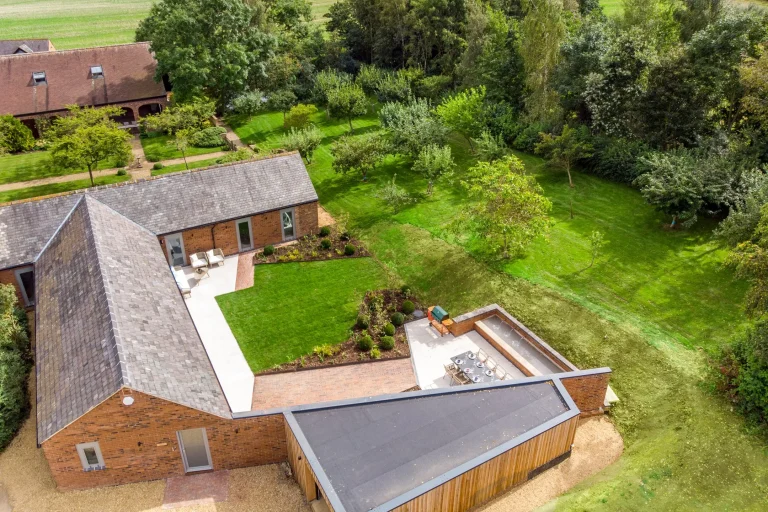
This modern revival is showcased in places like 14 Acres, a great example of a thoughtfully restored countryside estate that brings luxury living right in harmony with the village’s history. Set in a beautiful natural setting, 14 Acres combines traditional architecture with all the mod cons and a commitment to sustainable living. It’s all about places like this that capture how Clipston continues to evolve – respecting its heritage, while embracing a more modern take on rural living.
Clipston Today: Heritage, Community, and Refined Countryside Living
Today, Clipston is just one of those charming villages where centuries of history blend perfectly with modern country living. The village has changed over the years, of course, but it’s done so in a way that lets it keep its unique character intact. Landmarks like St Mary’s Church are still the heart of the community, and the open countryside is just begging to be explored on foot, by bike, or just enjoying the wildlife.
Clipston’s also has a great community feel. There’s always something going on — whether it’s seasonal events, informal meetups, or local groups, the village always feels welcoming. And just being close to places like Foxton Locks and scenic spots like Pitsford Reservoir adds a whole new level of interest — whether you’re into history, walking, or just want a bit of a break from the city, Clipston has plenty to offer.
For anyone who wants a taste of real countryside living, but also wants to be close to all the things that make the East Midlands such a great place to visit, Clipston offers the perfect mix. It’s a place that’s all about slowing down, and enjoying the simple things in life – like nature, heritage, and a bit of real comfort.
Frequently Asked Questions
1. What is Clipston best known for?
Well, Clipston’s pretty proud of its long and varied history – from being mentioned in the Domesday Book to still having St Mary’s Church standing tall. And, of course, its connections to the Grand Union Canal and Foxton Locks link it right up to Britain’s industrial and transport heritage
2. What historic sites can you visit in and around Clipston?
St Mary’s Church is the most obvious place to visit – it’s a real piece of history, and a big part of the village’s community life. And then there’s Foxton Lock,s just a short drive away – it’s a real eye-opener, especially if you’re interested in Victorian engineering and the canal era.
3. Where is the best place to stay in Clipston?
If you’re after a really special countryside getaway, 14 Acres is the place to go. It’s a collection of luxury retreats set in a private estate, with all sorts of thoughtful touches to make your stay really special. And with its focus on sustainable living, it’s the perfect place to unwind and truly experience the beauty of the countryside.