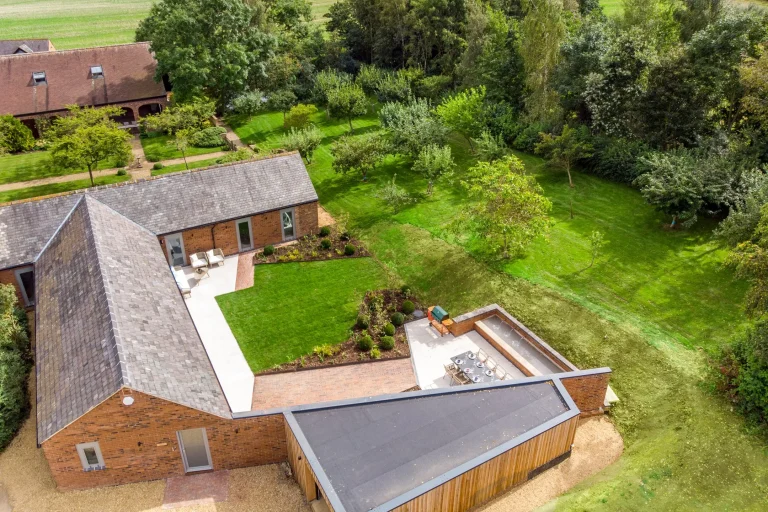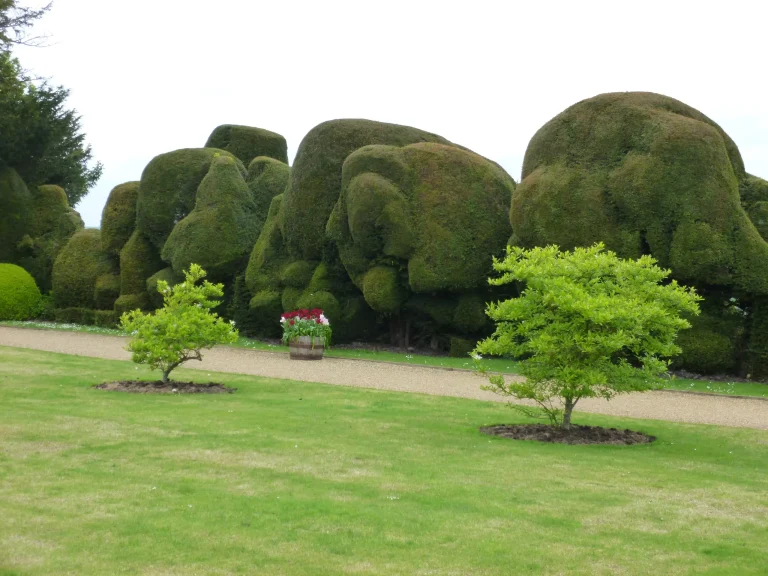

The Cromwell Monument is a must-see – a pretty little gem tucked away in the English countryside that’s just a stone’s throw from The Loft at 14 Acres. We’re talking about a seriously influential and divisive historical figure here – Oliver Cromwell – Britain’s most talked-about, and probably most misunderstood, leader. Still getting the history bug? You’ll love this fantastic landmark, a real treasure trove of stories, and loads of insight into how England has evolved over the centuries.
For those exploring the wider area, you’ll also find excellent family-friendly accommodation options nearby, including some of the best places to stay around Market Harborough—though guests of 14 Acres enjoy the added benefit of returning to a private, boutique retreat with 5-star comforts, daily housekeeping, and tranquil countryside views.
A visit to the Cromwell Monument truly feels like stepping back in time. This guide uncovers the historical context, Cromwell’s lasting influence, and what you can expect during your visit. Prepare to be inspired by the powerful stories and timeless architecture that make this monument such a compelling part of England’s heritage.
Oliver Cromwell: A Detailed Historical Overview
Oliver Cromwell (1599-1658) – a man who’s still hotly debated by historians and the general public alike. His life and times have left a lasting mark on Britain, and the Cromwell Monument near Naseby, just a short drive from 14 Acres, is your chance to get up close and personal with this complex chapter of English history.
Early Life and Rise to Influence
Born in 1599 in Huntingdon, Cromwell came from a traditional Puritan family. His early life was pretty unremarkable, but he was driven by strong convictions and a keen interest in politics – all of which would shape his later career. He first entered Parliament as MP for Cambridge back in the 1620s – and boy, did he have a bone to pick with King Charles I..
Cromwell and the English Civil War
The English Civil War (1642–1651) divided the nation between:
- Royalists, who supported King Charles I
- Parliamentarians, who sought to limit royal authority
Cromwell took the Parliamentarians under his wing and emerged as a cracking military leader, helped by the creation of the mighty New Model Army. This was a turning point in the conflict, and the decisive battles at Marston Moor (1644) and Naseby (1645) are still talked about today – and you can visit the site of the latter right on our doorstep at 14 Acres..
The Trial and Execution of King Charles I
By 1649, Parliament had prevailed. King Charles I was arrested, tried for treason, and executed—a moment that forever changed the course of British history.
England briefly became a republic, known as the Commonwealth, with Cromwell’s leadership shaping its direction.
Cromwell as Lord Protector (1653–1658)
In 1653, Cromwell assumed the role of Lord Protector of England, Scotland, and Ireland, effectively replacing the monarchy.
During his rule:
- He oversaw a period of military strength and political restructuring.
- His government enforced strict Puritan social codes—banning theatre, dancing, and gambling.
- His campaigns, particularly in Ireland, remain some of the most controversial events of his career due to severe violence and religious persecution.
His leadership brought stability for some, but deep suffering for others. This duality defines much of his legacy.
Decline and the Restoration of the Monarchy
After Cromwell’s death in 1658, his son Richard briefly succeeded him but lacked the authority to hold the Commonwealth together.
By 1660, the monarchy was restored under Charles II, ending the republican experiment and returning Britain to traditional royal rule.
A Legacy Still Debated
Cromwell’s impact is both significant and divisive:
Praised for:
- Challenging absolute monarchy
- Strengthening Parliament’s role
- Leading England through key military triumphs
Criticised for:
- Authoritarian governance
- Severe religious intolerance
- Brutal military campaigns, especially in Ireland
Whether viewed as a defender of liberty or a ruthless dictator, Cromwell remains one of the most influential—and controversial—figures in British history.
The Cromwell Monument at Naseby
Located at Naseby, Northampton NN6 6BS, the Cromwell Monument stands near the battlefield where one of his most pivotal victories took place.
The monument reflects the ongoing debate surrounding his legacy, asking visitors to consider:
Was Cromwell a hero fighting for freedom—or a harsh ruler imposing his will?
A visit to this site allows guests of 14 Acres to step directly into the landscape where history was shaped, offering a meaningful and thought-provoking addition to any countryside retreat.
The Design and Architecture of the Cromwell Monument
Standing just a short drive from 14 Acres, the Cromwell Monument is an impressive tribute to one of Britain’s most influential—and debated—historical figures. Designed by William Wailes, the monument balances grandeur with simplicity, offering visitors a timeless reminder of the era that shaped modern England. Its presence in the landscape is both powerful and elegant, making it a meaningful stop for guests interested in local history and architecture.
A Closer Look at the Monument
The Stone Obelisk
Rising high above the rolling Northamptonshire countryside, the monument takes the form of a tall stone obelisk positioned at Naseby, Northampton NN6 6BS. Its height and clean lines make it a prominent landmark, clearly visible across the fields where the Battle of Naseby once unfolded. Built from high-quality stone, it showcases the craftsmanship of its time—durable, refined, and striking against the rural skyline.
Intricate Carvings
Closer inspection reveals beautifully detailed carvings that highlight pivotal moments from Cromwell’s life. These engravings honour key episodes from the English Civil War to Cromwell’s years as Lord Protector, offering visitors a deeper sense of the historical events connected to this landscape.
The Bust of Oliver Cromwell
At the top of the monument sits a lifelike bust of Oliver Cromwell, capturing his determined, resolute expression. This sculpted likeness serves as a powerful symbol of the leadership and controversy that continue to define his legacy. It stands as a reminder of the man whose decisions shaped the future of Britain and whose actions still spark debate today.
A Peaceful Setting for Reflection
The monument sits within a small, thoughtfully landscaped park—a serene green space perfect for quiet reflection. Benches and gentle pathways invite visitors to pause, enjoy the tranquillity of the countryside, and consider Cromwell’s complex impact on history.
For guests of 14 Acres, it’s an ideal place to unwind, explore, and connect with the region’s rich heritage before returning to the comfort of your luxury retreat.
What to Expect When Visiting the Cromwell Monument
A visit to the Cromwell Monument, just a short drive from 14 Acres, offers a fascinating glimpse into the era of the English Civil War and the life of Oliver Cromwell. Whether you’re a history enthusiast or simply enjoying a peaceful day out in the countryside, the site provides a memorable and insightful experience.
The Monument
A Striking Stone Obelisk
As you approach, the monument’s tall stone obelisk immediately commands attention. Standing proudly over the surrounding fields at Naseby, it is an unmistakable landmark—its clean, imposing silhouette echoing the significance of the battle that once took place here.
Cromwell’s Bust
Crowning the obelisk is a striking bust of Oliver Cromwell. His stern, resolute expression reflects the complexity of his character and the weight of the decisions that defined his leadership.
Inscriptions & Historical Interpretation
Engravings That Tell a Story
The monument features inscriptions detailing Cromwell’s role in the English Civil War and his influence on the political landscape of 17th-century England. These carvings offer visitors a thoughtful introduction to the events that shaped the nation.
Informative Plaques
Nearby plaques provide additional context—from the execution of King Charles I to the rise of the Commonwealth and Cromwell’s time as Lord Protector. These insights make the site especially rewarding for guests who enjoy diving deeper into history during their travels.
The Surrounding Parkland
A Peaceful Countryside Setting
The monument sits within a small, tranquil park—an ideal spot to relax, reflect, and soak up the calm of the rural landscape. Benches and gentle walking paths make it a pleasant break from sightseeing or a serene addition to a countryside drive from 14 Acres.
Space for Leisurely Walks
The landscaped paths offer a gentle stroll through nature. Imagine sitting on a bench, enjoying the stillness, with a soft breeze carrying the scent of wildflowers—this peaceful atmosphere is an integral part of the visit.
Perfect for Photography
The tall obelisk, open skies, and surrounding countryside create picture-perfect compositions. Whether capturing the monument itself or the sweeping rural backdrop, photographers will find plenty of beautiful angles.
Nearby Attractions and Things to Do
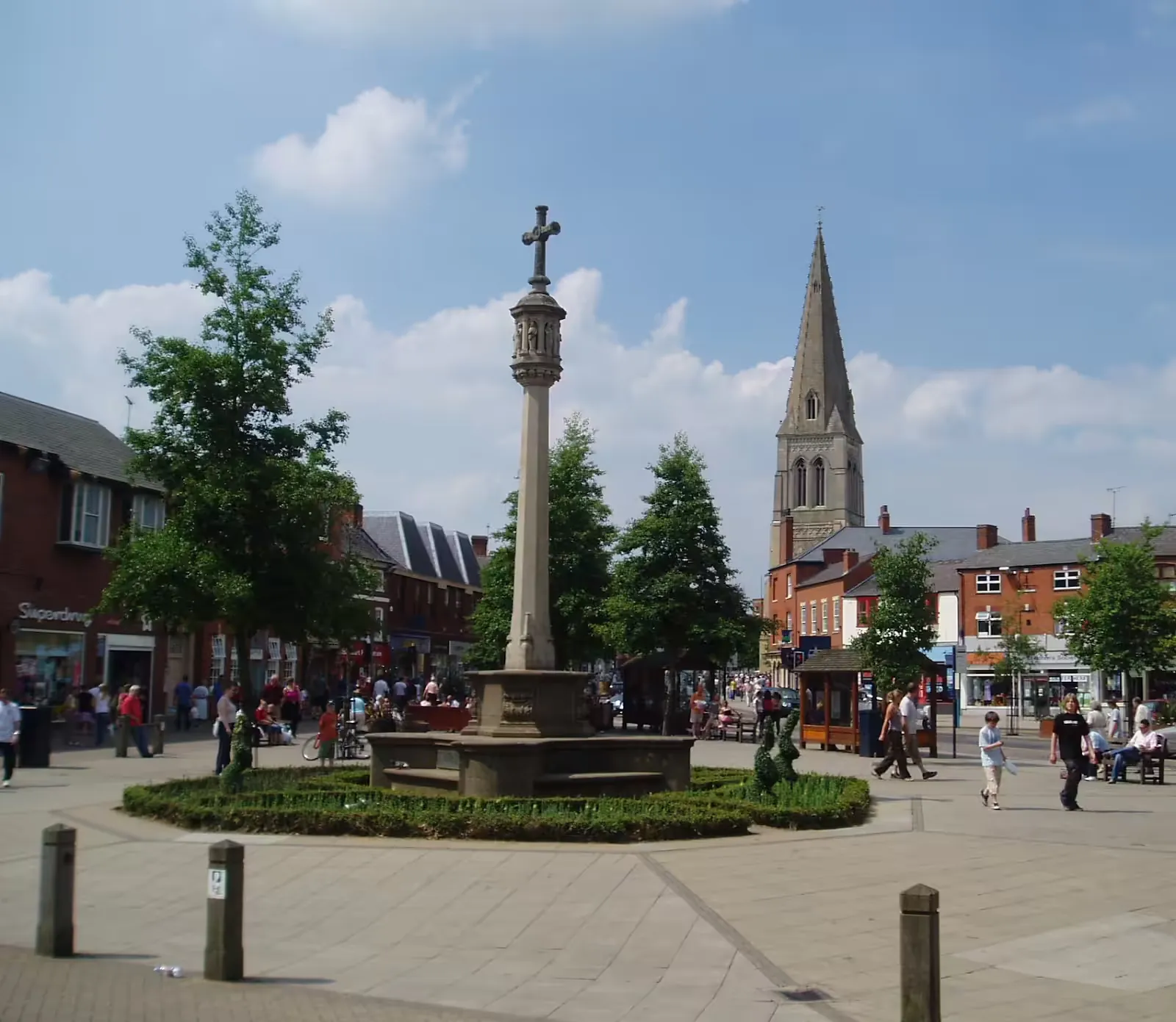
Market Harborough is rich in history, charm, and cultural experiences—making it a wonderful destination for a relaxed day out. After your visit to the Cromwell Monument, guests of 14 Acres will find plenty of nearby attractions and activities to enjoy. Here are some of the highlights worth exploring during your countryside escape:
Fairfax View – A Panoramic Look Into the Past

Just a short drive from 14 Acres, Fairfax View offers sweeping, panoramic vistas across the Naseby battlefield—one of the most pivotal sites of the English Civil War. This elevated viewpoint allows visitors to fully appreciate the scale of the conflict that unfolded across these peaceful fields centuries ago.
A Window Into History
From this vantage point, you can reflect on the strategies used during the Battle of Naseby and the important role the region played in shaping the outcome of the war. Informational plaques provide helpful context, detailing troop movements, battlefield formations, and key turning points.
Strategic Significance
Commanders such as Sir Thomas Fairfax and Oliver Cromwell relied on high ground like this to coordinate their forces. Today, guests can stand where they once stood and gain a clearer understanding of how the landscape influenced the tactics and ultimate outcome of the battle.
A Scenic and Serene Stop
Beyond its historical importance, Fairfax View is a beautiful, peaceful place for walking, photography, or simply pausing to take in the countryside. The rolling fields and open skies create a quietly reflective atmosphere.
Prince Rupert’s Viewpoint – The Royalist Perspective
For a contrasting glimpse into the same historic battle, Prince Rupert’s Viewpoint offers a compelling perspective from the Royalist side. Named after Prince Rupert of the Rhine, the Royalist cavalry commander, this spot played a crucial role during the Battle of Naseby.
Historic Insight From the Royalist Position
Standing here, visitors can imagine how Prince Rupert surveyed the battlefield and directed his troops. The elevated position illustrates the Royalist strategy and the challenges they faced as the battle unfolded.
Striking Panoramic Views
The viewpoint boasts expansive views across the battlefield and the surrounding Northamptonshire landscape. The gentle hills and wide-open fields help visitors visualise the terrain navigated by both armies, adding depth to the story of one of Britain’s most decisive conflicts.
St. Dionysius’ Church – A Medieval Treasure Near the Monument
A short stroll from the Cromwell Monument brings you to St. Dionysius’ Church, a stunning example of medieval Gothic architecture. Its soaring tower, intricate stonework, and beautifully detailed interior make it one of the area’s most captivating historic landmarks.
A Glimpse Into the 14th Century
Dating back to the 1300s, the church stands as a testament to the town’s rich religious and architectural heritage. Still an active place of worship today, St. Dionysius’ Church welcomes visitors and frequently hosts community gatherings, concerts, and services—offering a warm, authentic connection to the region’s past.
The Old Grammar School – A Glimpse Into 17th-Century Learning

For a charming step back in time, the Old Grammar School offers a fascinating look at education in the early 1600s. Founded in 1614, it is one of the oldest school buildings in the region and provides a unique insight into how students once lived and learned.
Historic Appeal
Although the interior is not always open to visitors, the building’s distinctive 17th-century architecture can be admired from the outside. Nearby plaques share the story of its origins and significance, making it a delightful stop for those who appreciate heritage and the quiet charm of historic market towns.
Harborough Museum – Discover the Story Behind the Region
For guests interested in the rich history of Market Harborough and its connections to the English Civil War, the Harborough Museum is an excellent place to explore. Its thoughtfully curated exhibitions trace the town’s development, highlighting its role during this turbulent period and the wider events that shaped the region.
Cromwell’s Local Influence
Dedicated displays offer insight into Oliver Cromwell’s presence in the area, helping visitors understand how his decisions and military movements influenced both Market Harborough and the course of national history. It’s an engaging stop for anyone wishing to deepen their appreciation of the stories woven into the landscape surrounding 14 Acres.
Welland Park – A Peaceful Green Escape

Welland Park offers a tranquil break in the heart of Market Harborough, making it a lovely spot to unwind after exploring the area’s historical landmarks. With its beautifully maintained lawns, shaded pathways, and inviting open spaces, it’s ideal for a leisurely stroll or a relaxed picnic.
A Serene Countryside Backdrop
The park’s gentle views of the surrounding countryside create a wonderfully calming atmosphere—perfect for guests looking to pause, breathe, and enjoy a moment of stillness before returning to the comfort of 14 Acres.
Foxton Locks – An Iconic Slice of Canal History

A short drive from Market Harborough, Foxton Locks offers a fascinating look into Britain’s historic canal system. This impressive staircase of locks, in continuous use for over two centuries, is both an engineering marvel and a peaceful destination for those intrigued by industrial heritage.
Enjoy the Waterways at a Relaxed Pace
Visitors can take a gentle walk along the towpaths, watching boats navigate the lock system, or even enjoy a boat ride to see the mechanisms in action. A small visitor centre provides additional insight into the history and operation of the locks, making it an engaging and scenic outing for guests of 14 Acres.
Tips for Visiting & How to Get There
Although often associated with Market Harborough, the Cromwell Monument is actually located on the historic Naseby Battlefield, just west of the village of Naseby. Market Harborough played an important role in the events that followed the battle, making it a natural starting point for exploring the wider area.
For guests staying at The Loft, The Cottage, The Barn, or enjoying exclusive use of the 14 Acres estate, the monument is conveniently located—around a 20-minute scenic drive through the countryside. You can travel directly to Naseby Battlefield by car or join one of the guided historic tours that explore the Battle of Naseby and Cromwell’s role in shaping the outcome.
If arriving by public transport, Market Harborough offers excellent train and bus connections. From there, taxis or local transport can take you to the battlefield. Parking is available near the monument, and due to the natural terrain, comfortable footwear is recommended.
Helpful Tips for an Enjoyable Visit
1. Check Opening Times
While the Cromwell Monument itself is open year-round, nearby attractions—including the Harborough Museum and St. Dionysius’ Church—may operate on limited hours or close on certain days. Check schedules in advance to make the most of your visit.
2. Wear Comfortable Shoes
Many local attractions, such as Foxton Locks or Welland Park, involve gentle walking on pathways, grassy areas, or uneven ground. Comfortable footwear will help you explore with ease.
3. Visit During Quieter Times
For a more peaceful, reflective experience, consider visiting early in the morning or on weekdays. Summer weekends can be busier, so choosing a quieter time allows you to fully appreciate the atmosphere and countryside views.
Best Hotel to Stay Near the Cromwell Monument: The Loft – Luxury Countryside Retreat
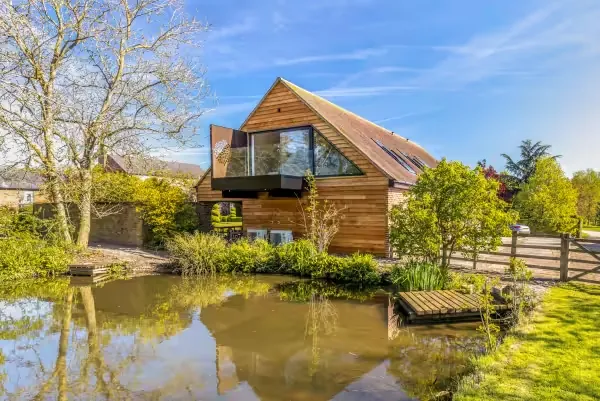
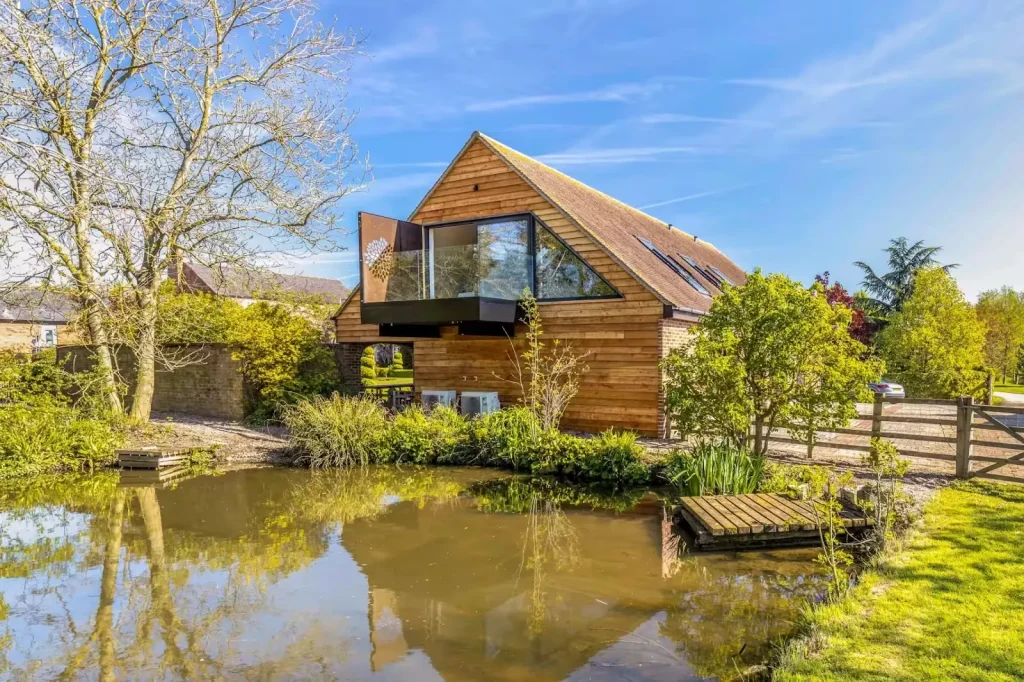
For guests planning a visit to the Cromwell Monument, The Loft at 14 Acres offers the perfect place to unwind and immerse yourself in the tranquility of the English countryside. Located just a short, scenic drive from Market Harborough, The Loft blends rustic charm with contemporary luxury for an unforgettable stay.
Why Guests Love The Loft
A Stunning Location
Situated on a private 14-acre estate on the Northamptonshire–Leicestershire border, The Loft offers sweeping rural views and easy access to Market Harborough, Naseby Battlefield, and the wider region.
Ideal for Families & Small Groups
Sleeping up to 6 guests, The Loft features:
- 2 beautifully appointed bedrooms
- 2 modern bathrooms
- Family essentials including baby cots, high chairs, and entertainment options such as XBOX ONE and Netflix
It’s a wonderfully comfortable base for families, friends, or couples seeking space and serenity.
Eco-Friendly by Design
Sustainability is at the heart of 14 Acres. The Loft benefits from:
- Solar power
- Air-source heating
- Filtered well water
These features ensure a stay that’s both luxurious and environmentally conscious.
Luxury, Space & Style
The Loft’s expansive open-plan layout includes:
- Vaulted ceilings and large windows framing panoramic countryside views
- Bespoke furnishings and thoughtful design details
- A fully equipped modern kitchen—perfect for slow mornings or chef-prepared evenings
Perfectly Placed for Exploring
From The Loft, guests enjoy easy access to local attractions including:
- Silverstone Circuit
- Leicester and Northampton
- Picturesque walking routes around Clipston Village
- Historic sites such as Naseby Battlefield and the Cromwell Monument
Whether you’re looking to relax, reconnect, or explore the surrounding history and countryside, The Loft at 14 Acres provides a peaceful, luxurious, and eco-friendly retreat—ideal for families, couples, and small groups. Book Now The Loft.